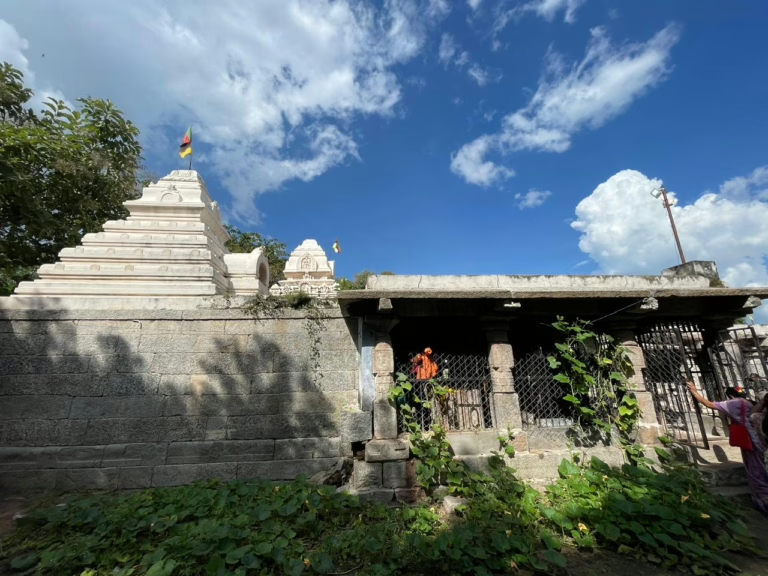
My recent visit to the ancient 2000-year-old Kolanupaka Someshwara Temple was a spiritually uplifting experience. Located about 80 kilometers from Hyderabad, the temple sits in the serene village of Kolanupaka near Alair. Once the capital of the Chalukyas, Kolanupaka is known for its historical significance. In addition to the Someshwara Temple, the area is home to an ancient Jain temple, reflecting the region’s rich cultural heritage.
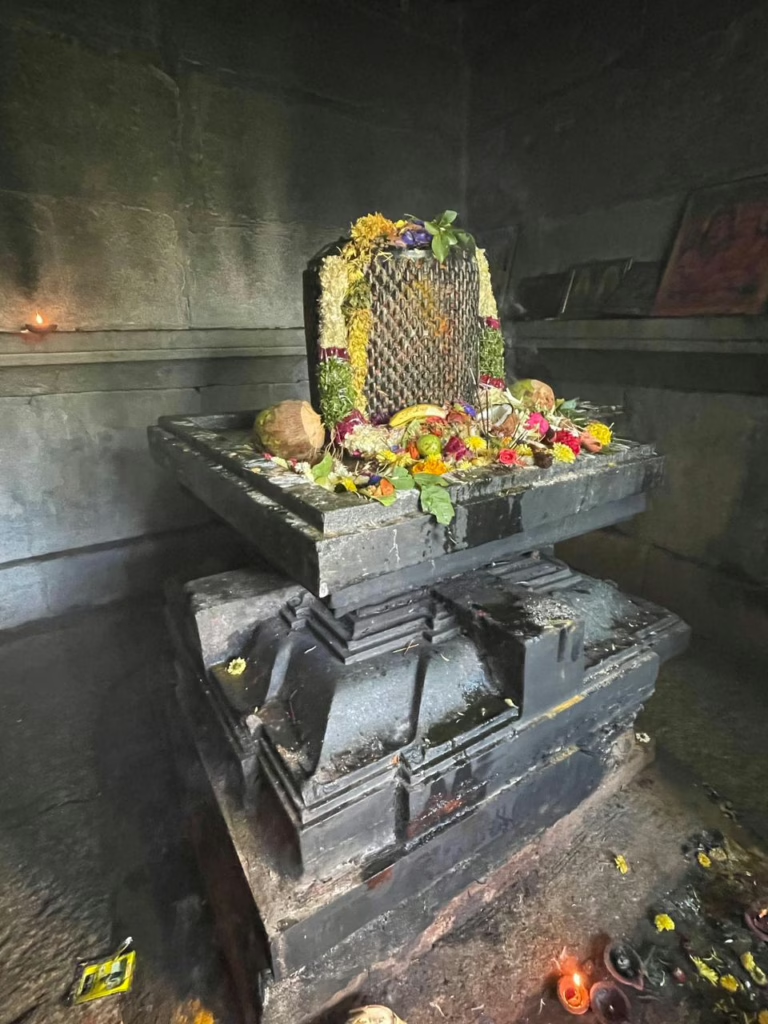
Kolanupaka Someshwara Lingam
At the heart of the temple lies the main sanctum housing the Swayambhu Someshwara Lingam, which is believed to have naturally manifested from the earth. According to the Veerashaiva tradition, this temple holds immense spiritual significance. It is said that Adi Guru Renukacharya, the foremost among the five revered acharyas, emerged from this very Shiva Lingam to re-establish the Shaiva dharma and promote the worship of Lord Shiva.
Each acharya is associated with one element, one syllable, and one sacred kshetra.
- Adi Guru Renukacharya – Kolanupaka Someshwara Temple (Earth Element – Prithvi Tatva, Syllable “Na”).
- Sri Darukacharya – Ujjain Mahakaleshwar (Air Element – Vayu Tatva, Syllable “Ma”)
- Sri Ekorama Charya – Kashi Vishwanath (Water Element – Jala Tatva, Syllable “Shi”)
- Sri Panditharadhya – Srisailam Mallikarjuna (Fire Element – Agni Tatva, Syllable “Va”)
- Sri Vishwaradhaya – Kedarnath (Sky Element – Akasha Tatva, Syllable “Ya”)
Together, the pachacharyas embody the full essence of Na-Ma-Shi-Va-Ya – the eternal vibration of Shiva that sustains creation itself.
Within the main temple complex, there is also the shrine of Chandika Devi, symbolizing fierce feminine power. Her presence balances the calmness of Lord Someshwara – together they represent the Shiva-Shakti principle.
The Temple of a Thousand Lingas
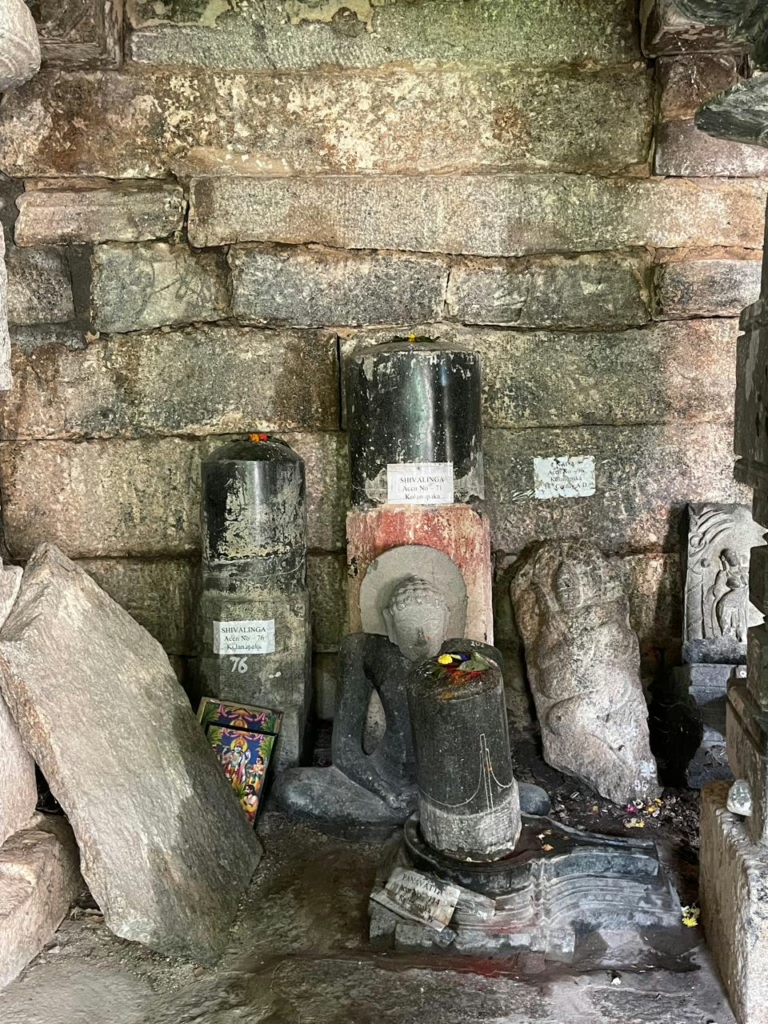
Also known as Veyyi Lingala Gudi, or The Temple of a Thousand Lingas, this ancient shrine also features an impressive and unique Shiva Linga, which has a thousand small symbols of Shiva, called lingas, carved onto a single large linga.
The temple is home to an Archaeological Museum that displays rare statues from the 11th-12th centuries from the Kakatiya and Chalukya dynasties. These displays include Jain sculptures, reflecting a rich multi-religious heritage.
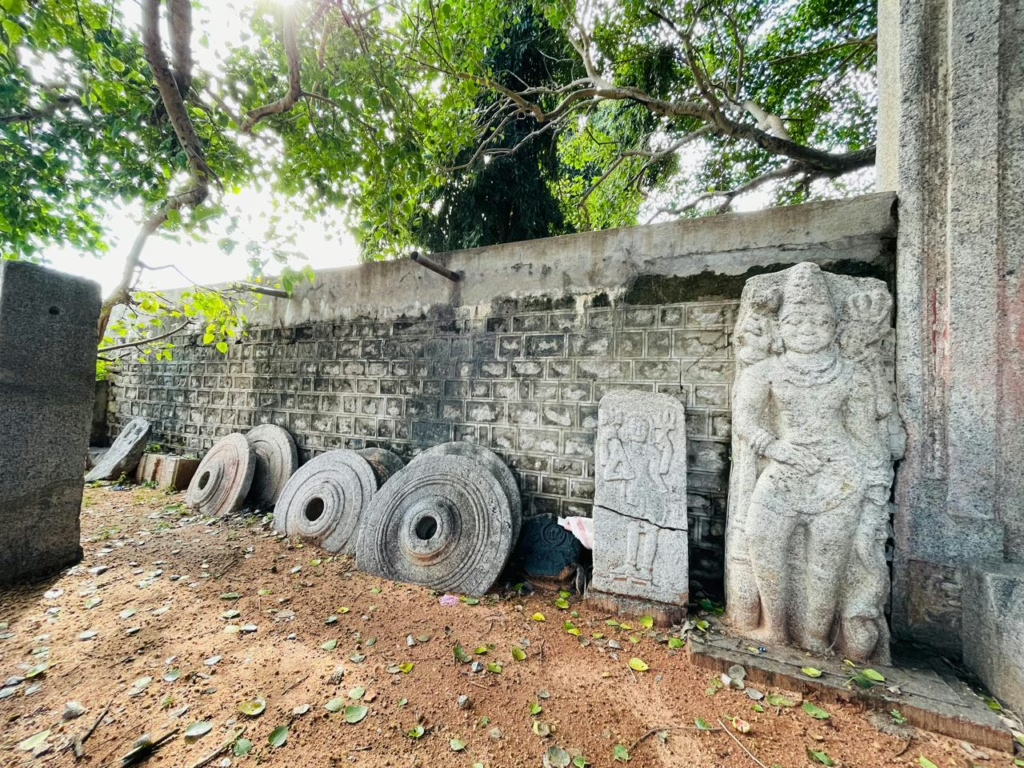
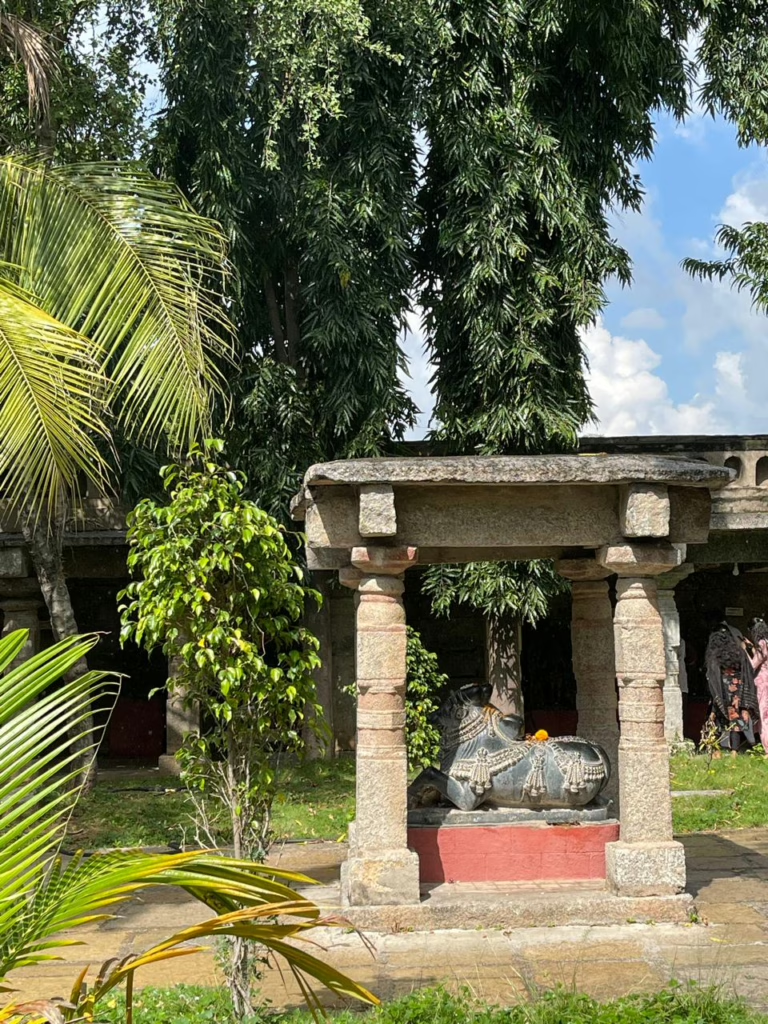
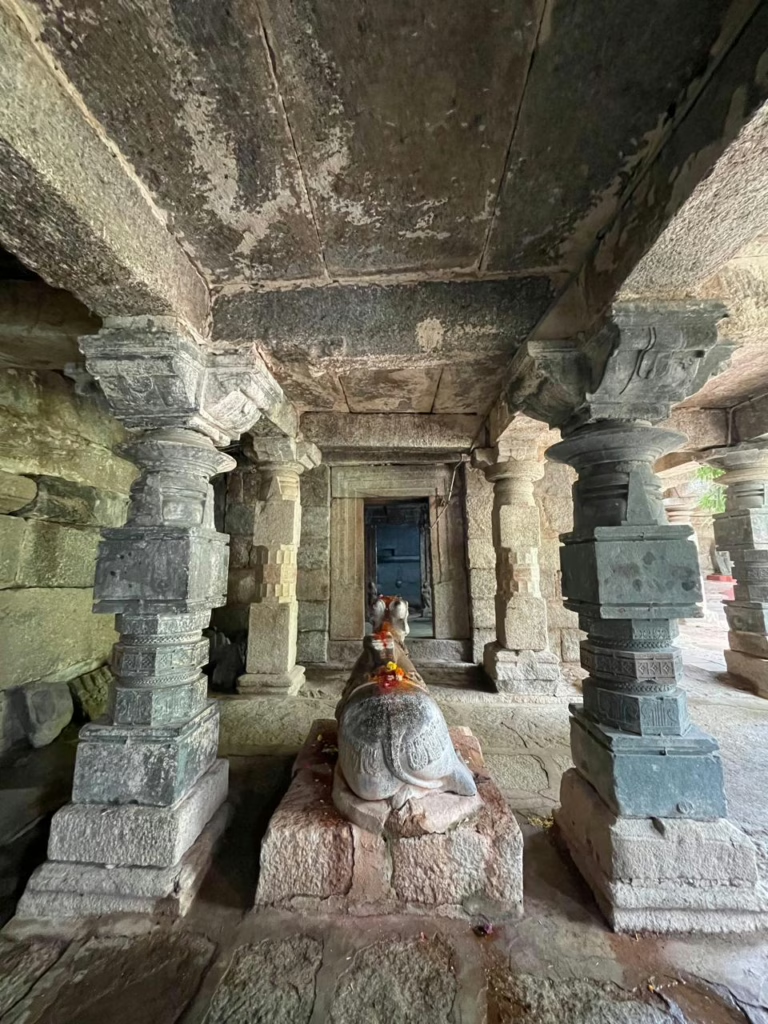
Scattered throughout the temple grounds are ancient remnants, including beheaded Nandis, broken Shivlingas, and weather-worn structures. Each relic, despite its wear and damage, stands as a silent witness to invasions, time’s passage, and neglect.
Yet, even amidst the ruins, the divine presence remains alive.
A Month of Light and Renewal
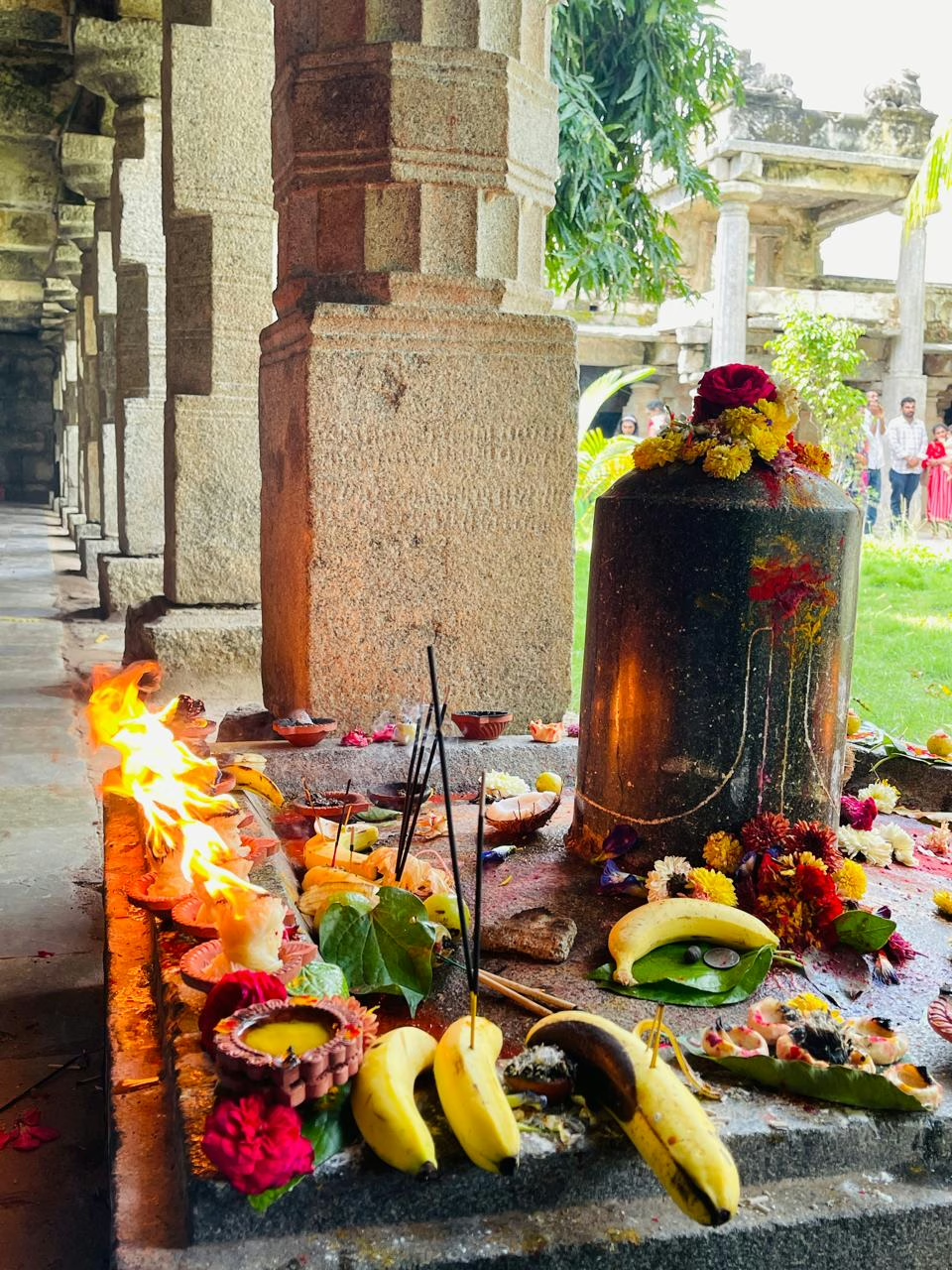
Karthika Masam, a month dedicated to Lord Shiva, is considered one of the holiest months in the Hindu calendar. During this time, devotees partake in sacred rituals such as lighting lamps, fasting, and visiting temples.
Devotees light the 365-wick diya, representing an offering for each day of the year, as well as the Amla (gooseberry) diya, which is believed to bring purity, longevity, and spiritual merit. We were fortunate to observe these customs during our visit to the temple on Karthika Dwadasi.
We also arrived in time for the sparsha darshan of the Swayambhu Someshwara Lingam, a divine opportunity that left us spellbound.
The Science Behind the Rituals
While these rituals were steeped in devotion, they also carry significant scientific meaning:
Lighting Lamps: The use of sesame oil (nuvvula nune) in lamps during this season isn’t arbitrary. Scientifically, sesame oil is rich in antioxidants and possesses antibacterial properties. When used in lamps (diyas), the gentle warmth and fragrance purify the air, reducing bacterial presence and promoting relaxation. Additionally, the steady glow activates the Agya Chakra (third eye), promoting focus and inner balance.
Fasting: This ritual aids in detoxifying the body, regulating metabolism, and allowing it to reset. Spiritually, fasting fosters discipline and detachment.
A Ride Back in Time at Kolanupaka
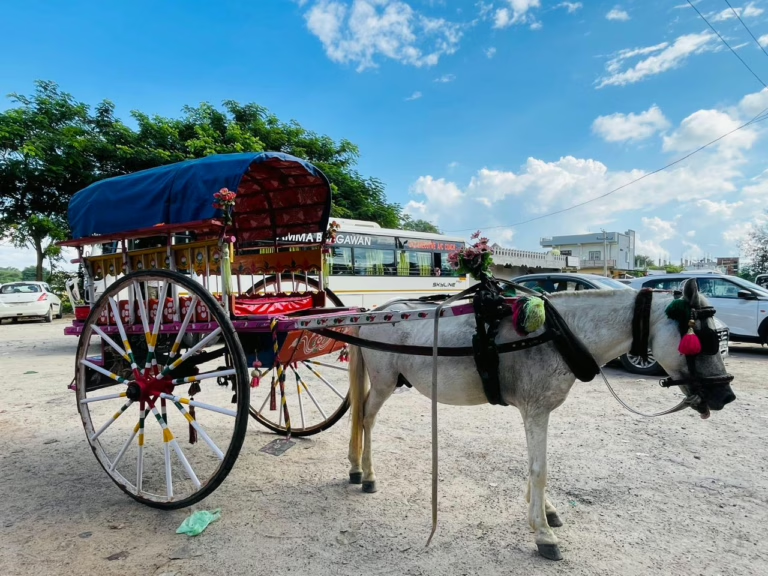
After the darshan, I took a tanga ride through the narrow lanes of the village. The rhythmic clop of hooves, the creak of wooden wheels, and the soft jingle bells transported me back to my childhood.
I was reminded of visits to my grandparents’ home, where such rides were simple yet profoundly joyful.
Preserving the Old Temples, Timeless Energy
As new, opulent temples like Swarnagiri rise in grandeur and prominence, ancient shrines like Kolanupaka Someshwara quietly stand as living testaments to India’s spiritual and architectural brilliance. Yet, many such heritage temples across India face neglect and disrepair, silently fading into history.
These sacred spaces were where faith first found its voice, providing a type of solace that polished marble or golden gopuram cannot replicate. Read this insightful article on how India’s ancient temples are battling time and indifference, and why preserving them is essential to our cultural identity.
Also, if you believe ancient temples act as repositories of timeless spiritual energy, embodying centuries of collective devotion, you will find meaning in my reflections on the Ammapelle Temple.